by Laura Guzman Cheney | Sep 14, 2026 | Uncategorized
The real estate market in 2026 is giving buyers and sellers a different set of conditions than they experienced in recent years. Mortgage rates remain an important factor, inventory has improved in many markets, and home prices are generally showing more moderate movement.
For anyone considering a move, understanding local market conditions can make it easier to evaluate opportunities and plan.
Mortgage Rates Continue to Influence the Market
Mortgage rates remain one of the biggest factors affecting housing activity. Even modest changes in rates can influence monthly payments, purchasing power, and buyer activity.
Rather than focusing only on whether rates will rise or fall, buyers can benefit from understanding how different financing scenarios affect their individual budgets.
Inventory Is Giving Buyers More Options
Housing inventory has improved in many areas compared with the extremely limited supply seen during the most competitive periods of the market.
More available properties can give buyers additional opportunities to compare prices, features, locations, and property conditions. At the same time, sellers may need to pay closer attention to pricing, presentation, and current competition.
Reviewing active listings and recent sales can provide a clearer picture of available inventory.
Home Prices Are Moving More Gradually
The rapid price increases seen in some markets during previous years have moderated. In 2026, price trends vary significantly by location, property type, and local supply and demand.
Looking at recent comparable sales can help property owners understand current market value, while buyers can use recent sales data to evaluate asking prices more effectively.
Local Data Matters
National housing statistics can provide useful background, but real estate decisions are ultimately local.
Factors such as inventory, days on market, sale-to-list price ratios, new construction, rental activity, employment centers, transportation infrastructure, and development projects can influence a specific market.
Reviewing these factors together can provide a more useful market insight than relying on a single national statistic.
What Buyers Should Watch
Buyers should consider more than the asking price. Monthly financing costs, property taxes, insurance, maintenance, potential improvements, and the property’s overall condition can all affect the cost of ownership.
Taking time to compare properties and understand current market conditions can help buyers make decisions based on their budget and long-term plans.
What Sellers Should Watch
Sellers should pay close attention to current competition. Pricing a property based on outdated market conditions can make it harder to attract serious interest.
Recent comparable sales, active listings, property condition, and buyer activity can help establish a more realistic pricing strategy.
Looking Ahead
The 2026 real estate market is becoming more balanced in many areas, but conditions can differ considerably from one community to another.
For buyers and sellers, the best approach is to focus on current local data, property-specific factors, and individual financial goals rather than trying to predict the market perfectly.
Final Thoughts
Real estate market insight is about understanding the complete picture. Mortgage rates, inventory, home prices, new construction, and local economic activity all play a role.
Whether you are considering buying, selling, investing, or simply monitoring your property’s value, staying informed about the local market can help you make confident decisions.
by Laura Guzman Cheney | Sep 9, 2026 | Uncategorized
Housing inventory is one of the most important factors to watch when evaluating the real estate market. The number of homes available for sale can influence buyer choices, seller strategies, pricing, and how quickly properties sell.
Whether you are buying, selling, or simply following real estate trends, understanding housing inventory can help you make more informed decisions.
What Is Housing Inventory?
Housing inventory refers to the number of homes currently available for sale in a market. It provides a snapshot of how much supply buyers have to choose from at a given time.
When inventory is low, buyers may have fewer options and face more competition. When inventory increases, buyers generally have more properties to compare and may have more time to make decisions.
Inventory changes regularly as new homes are listed and existing properties are sold or withdrawn.
Why Does Housing Inventory Matter?
Housing inventory can influence the balance between buyers and sellers. Limited supply combined with strong demand can create more competition, while higher inventory may give buyers greater flexibility.
However, inventory should not be viewed alone. Mortgage rates, home prices, economic conditions, seasonality, and buyer demand also influence market activity.
How Low Inventory Can Affect Buyers
Limited inventory can make the buying process more competitive. Buyers may have fewer properties within their budget, making preparation especially important.
Getting pre-approved, understanding your budget, and researching properties in advance can help buyers act efficiently when the right home becomes available. However, low inventory does not mean buyers should rush into a purchase. Affordability and careful due diligence should remain priorities.
How Higher Inventory Can Benefit Buyers
Higher inventory can give buyers more opportunities to compare prices, property conditions, features, and financing options.
In some markets, additional supply may also provide more room for negotiation. Buyers may have more time to review disclosures, schedule inspections, and evaluate whether a property fits their financial goals.
Higher inventory does not automatically mean home prices will decline. Demand and other market conditions remain important factors.
What Housing Inventory Means for Sellers
Inventory is equally important for homeowners considering a sale. When buyers have more properties to choose from, sellers may need to pay closer attention to pricing, condition, presentation, and marketing.
Reviewing recent comparable sales and current market conditions can help sellers establish a realistic asking price. Proper pricing from the beginning can help attract attention and reduce the risk of a property remaining on the market for an extended period.
Understanding Months of Supply
Months of supply is a common measure used to evaluate housing inventory. It estimates how long it would take to sell the current number of homes at the existing sales pace, assuming no new listings enter the market.
A lower months-of-supply figure generally indicates less inventory relative to sales, while a higher figure suggests greater available supply.
This measure is most useful when considered alongside new listings, pending sales, closed sales, home prices, and days on market.
Why New Listings Matter
The number of new listings entering the market can provide additional insight into inventory trends.
If new listings increase while demand remains steady, available inventory may grow. If new listings decline while demand remains strong, competition may increase.
Looking at these trends over time can help buyers and sellers understand whether inventory is expanding, contracting, or remaining stable.
Seasonality and Housing Inventory
Housing inventory can change throughout the year due to seasonal patterns, weather, holidays, employment changes, and other market factors.
For this reason, comparing inventory with the same period in previous years can sometimes provide a more useful perspective than looking at a single month’s numbers.
How Buyers and Sellers Can Use Inventory Data
Housing inventory data can help buyers understand their available choices and potential competition. Sellers can use the same information to evaluate competing listings and determine how to position their property.
Combining inventory data with pricing trends, mortgage rates, new listings, and buyer demand provides a clearer picture of current market conditions.
Final Thoughts
Housing inventory offers valuable insight into the relationship between available homes and buyer demand. Low inventory can create more competition, while higher inventory can provide buyers with more choices and potentially greater negotiating flexibility.
Still, inventory is only one part of the real estate market. Mortgage rates, home prices, economic conditions, seasonality, and demand all play a role.
Understanding these factors can help buyers and sellers approach their real estate decisions with greater confidence and a clearer view of current market conditions.
Ready to understand what housing inventory means for your real estate plans? Connect with a real estate professional for current market insights and guidance.
by Laura Guzman Cheney | Sep 3, 2026 | Uncategorized
Fall has a way of arriving quietly.
One week the windows are open, the yard is green and summer feels as though it will continue forever. Then the mornings become cooler, leaves begin collecting in the yard and homeowners suddenly remember that winter is not far behind.
That makes September an ideal time to take care of seasonal maintenance.
A little attention now can help prevent small problems from becoming expensive ones later. It can also make your home more comfortable and easier to maintain during colder months.
Whether you plan to stay in your property for years or expect to sell in the near future, fall maintenance is part of protecting your investment.
Start Outside
Walk around the exterior of your home slowly and deliberately.
Look at siding, trim, windows, doors and visible areas of the foundation.
You are looking for changes.
Peeling paint, deteriorated caulking, damaged siding and small openings may allow moisture or cold air into the home. Addressing relatively minor issues before winter weather arrives can be easier than dealing with them during freezing temperatures.
Pay particular attention around windows and exterior doors.
If you notice obvious drafts or gaps, weatherstripping or caulking may improve comfort and energy efficiency. More significant deterioration should be evaluated by an appropriate professional.
Look Up at the Roof
You do not necessarily need to climb onto the roof to spot potential concerns.
From a safe location on the ground, look for missing or damaged shingles and anything that appears unusual.
If you have experienced leaks or suspect roof damage, contact a qualified roofing professional rather than attempting unsafe repairs yourself.
Fall is also an important time to think about gutters.
Leaves, branches and debris can prevent water from draining properly. Clogged gutters may overflow and send water toward siding, walkways or the home’s foundation.
Clean them safely or hire someone who can.
Check downspouts as well and make sure water is being directed appropriately away from the house.
Prepare the Heating System
The first cold night is a terrible time to discover that the heating system is not working properly.
Test the system before you truly need it.
Depending on the type of heating equipment in your home, seasonal servicing may be appropriate. Follow manufacturer recommendations and use qualified professionals when needed.
Replace or clean applicable filters and make sure heating vents, radiators or registers are not blocked by furniture.
If your home has a fireplace, wood stove or chimney, determine whether professional inspection or cleaning is due before using it.
Safety should always take priority over convenience.
Check Smoke and Carbon Monoxide Alarms
Fall is also a good reminder to verify that safety devices are working.
Test smoke alarms and carbon monoxide alarms according to manufacturer instructions and replace batteries or expired units when appropriate.
Review the placement of alarms and applicable local requirements as well.
As homes become more tightly closed during colder weather and heating equipment is used more frequently, functioning carbon monoxide detection becomes particularly important.
Protect Plumbing From Cold Weather
Homeowners in climates where temperatures fall below freezing should prepare exterior plumbing before winter arrives.
Disconnect garden hoses when the season ends.
Drain or winterize outdoor plumbing systems as appropriate for the property.
Know where your main water shutoff is located before an emergency occurs.
If you have plumbing in unheated areas, ask a qualified professional whether additional protection is needed.
A few minutes of preparation can be much easier than dealing with a frozen pipe during a winter storm.
Give the Yard One More Round of Attention
Fall yard work is about more than appearance.
Keep leaves from piling up on walkways where they may become slippery when wet.
Trim vegetation that is contacting the house when appropriate, and inspect trees for obviously damaged or unstable branches.
Outdoor furniture, grills, planters and recreational equipment should be cleaned, covered or stored according to manufacturer recommendations.
If you have an irrigation system, determine whether it needs to be winterized.
Look Inside Too
Seasonal maintenance should include the home’s interior.
Check beneath sinks for signs of moisture.
Look around ceilings and windows for staining that could indicate a leak.
Clean dryer vents and lint areas according to manufacturer guidance.
Vacuum refrigerator coils if recommended for your appliance.
Reverse applicable ceiling fans for winter operation if desired.
Fall is also a great time to declutter mechanical rooms, basements and storage areas so important systems remain accessible.
Create a Home Maintenance Record
One of the simplest improvements homeowners can make is keeping a record of maintenance.
Note when the heating system was serviced, gutters were cleaned, roof was repaired, smoke alarms were replaced or appliances were maintained.
Keep receipts and warranties.
This makes future maintenance easier because you no longer have to rely on memory.
Good records can also be useful when you eventually sell the property. Being able to show buyers that major systems have received consistent care can help demonstrate responsible homeownership.
Your Home Is an Investment Worth Maintaining
Home maintenance is rarely exciting.
But neglect can be expensive.
A clogged gutter, missing roof shingle, small leak or malfunctioning heating system is usually easier to address before it becomes an emergency.
September gives homeowners a valuable window between summer heat and winter weather to identify problems and prepare.
Spend a weekend walking through your property with fresh eyes. Make notes, prioritize what needs attention and bring in qualified professionals where appropriate.
Your future self may be very glad you did.
Thinking about selling in the next six to twelve months? Contact me before you begin major projects. I can help you understand which improvements may matter to buyers in your local market—and which ones may not be worth the expense.
by Laura Guzman Cheney | Sep 3, 2026 | Uncategorized
As summer winds down and routines shift back toward work, school, and fall activities, the real estate market changes too. September often marks the beginning of a different phase of the housing year one that can create opportunities for both buyers and sellers who understand what is happening in their local market.
The most important thing to know about the fall 2026 housing market is that there is no single national story.
Some communities continue to have limited inventory and strong competition for well-priced homes. Others are giving buyers significantly more choices and negotiating leverage. That makes local market knowledge particularly valuable heading into fall.
Nationally, the housing market entered September at a measured pace. The National Association of REALTORS® reported that existing-home sales declined 1.7% from June to July 2026, although sales were still slightly higher than a year earlier. The median existing-home price was $434,100, up 2% year over year, while available inventory represented approximately 4.6 months of supply. Homes sold in a median of 29 days.
At the same time, late-August market data showed new listings increasing while pending sales softened, potentially giving serious buyers more opportunities to negotiate in some parts of the country.
What Fall Means for Buyers
Fall buyers may encounter a different experience than people who were shopping during the spring rush.
There can be fewer buyers competing for the same property once summer vacations end and families settle into the school year. Sellers who listed earlier in the year may also become more open to negotiations if their homes have remained on the market longer than expected.
That does not mean buyers should assume every seller is desperate to make a deal. Desirable homes that are properly priced can still attract significant interest.
Instead, buyers should use the changing season to become more strategic.
Look beyond the asking price. Consider how long the property has been available, whether the price has been reduced, how similar properties have recently sold, and whether the seller appears motivated by a particular timeline.
Financing remains another major factor. Freddie Mac reported that the average rate for a 30-year fixed mortgage was 6.66% as of August 27, 2026. Because even relatively small changes in interest rates can affect monthly payments, buyers should discuss financing options with a qualified lender before deciding what they can comfortably spend.
What Fall Means for Sellers
Sellers should not interpret the end of summer as the end of the selling season.
People buy homes throughout the year because life continues throughout the year. Job relocations, growing households, downsizing, retirement, lease expirations, marriages and other life changes do not stop after Labor Day.
But fall buyers may be more deliberate.
A seller who wants to attract serious attention should focus on three fundamentals: condition, presentation and price.
The first few weeks on the market remain extremely important. Buyers have access to extensive online information and can quickly compare a property with competing listings. An unrealistic price can cause a home to be overlooked at the moment when buyer interest should be strongest.
Fall presentation matters as well. Shorter days mean good lighting becomes increasingly important. Clean windows, warm interior lighting, tidy landscaping and uncluttered rooms can help a home feel inviting rather than dark or dated.
Watch the Local Numbers
National headlines can provide context, but they cannot tell you what is happening in a specific neighborhood.
One community may have several months of available inventory while another just a few miles away has multiple buyers competing for relatively few homes. Condominiums may behave differently from single-family homes, and entry-level homes may experience very different demand than luxury properties.
Before making a decision, look at recent comparable sales, active listings, days on market, price reductions and the relationship between asking prices and actual sale prices.
Those numbers tell a much more useful story than a national headline.
A Season for Strategy
The fall market can reward people who are prepared.
Buyers may find additional choices and opportunities to negotiate. Sellers may encounter a smaller but serious pool of purchasers. In both cases, success is less about trying to perfectly time the housing market and more about understanding the market you are actually in.
If buying or selling a home is part of your plans this fall, start by having a conversation with a knowledgeable local real estate professional. A review of current inventory, recent sales and your individual goals can help you determine whether September is the right time to make your move.
Ready to understand what the fall market looks like in your area? Contact me for a local market update and a strategy built around your goals.
by Laura Guzman Cheney | Sep 3, 2026 | Uncategorized
Warm cinnamon apples under a buttery oat topping – an easy September dessert for the start of fall.
Few desserts announce the beginning of fall as simply as apple crisp. It has all the comfort of apple pie without the work of making and rolling a crust, which makes it ideal for a September weekend, a casual dinner with friends, or an easy dessert after apple picking.
This version keeps the filling straightforward: apples, cinnamon, brown sugar, a little lemon, and just enough thickener to create a glossy fruit filling. The topping is crisp and buttery with oats, brown sugar, flour, and warm spice. Serve it warm on its own or add vanilla ice cream for the classic finish.
Recipe at a Glance
|
Serves
|
Prep
|
Bake
|
Total
|
|
8
|
20 min
|
40-45 min
|
About 1 hr
|
Ingredients
For the Apple Filling
-
6 medium apples, about 2 1/2 to 3 pounds total
-
1 tablespoon fresh lemon juice
-
1/3 cup packed light brown sugar
-
1 teaspoon ground cinnamon
-
1/4 teaspoon ground nutmeg
-
1/4 teaspoon kosher salt
-
1 tablespoon all-purpose flour or cornstarch
-
1 teaspoon vanilla extract
For the Crisp Topping
-
1 cup old-fashioned rolled oats
-
3/4 cup all-purpose flour
-
2/3 cup packed light brown sugar
-
1/2 teaspoon ground cinnamon
-
1/4 teaspoon kosher salt
-
8 tablespoons (1 stick) cold unsalted butter, cut into small cubes
-
Optional: 1/2 cup chopped pecans or walnuts
For Serving
Instructions
1. Heat the oven and prepare the dish: Preheat the oven to 350°F. Lightly butter or grease a 9-inch square baking dish or a similar 2-quart baking dish.
2. Prepare the apples: Peel the apples if desired, then core and slice them into pieces about 1/4 inch thick. Place them in a large bowl and toss with lemon juice, brown sugar, cinnamon, nutmeg, salt, flour or cornstarch, and vanilla. Transfer the mixture to the prepared baking dish and spread it into an even layer.
3. Make the topping: In a separate bowl, combine the oats, flour, brown sugar, cinnamon, and salt. Add the cold butter. Use a pastry cutter, fork, or your fingertips to work the butter into the dry ingredients until the mixture forms coarse crumbs with some pea-size pieces. Stir in nuts if using.
4. Top the apples: Scatter the crisp mixture evenly over the apples. Do not press it down firmly; a loose topping creates better texture as it bakes.
5. Bake: Bake for 40 to 45 minutes, or until the topping is golden brown and the apple filling is bubbling around the edges. If the top browns too quickly, loosely cover the dish with foil during the final 10 minutes.
6. Rest before serving: Let the apple crisp rest for at least 10 to 15 minutes before serving. This gives the filling time to thicken slightly while still keeping the dessert warm. Serve plain or with vanilla ice cream or whipped cream.
Helpful Tips
-
For the best flavor and texture, use a mix of apple varieties. Pair a tart apple such as Granny Smith with a sweeter, firmer apple such as Honeycrisp, Pink Lady, or Fuji.
-
Old-fashioned rolled oats create a heartier topping than quick oats. Avoid steel-cut oats for this recipe.
-
Keep the butter cold until you are ready to mix the topping. Cold butter helps create distinct, crisp crumbs rather than a flat topping.
-
If you prefer a less-sweet dessert, reduce the brown sugar in the filling to 1/4 cup.
-
For extra fall flavor, add a pinch of ground ginger or cardamom to the filling.
Make-Ahead & Storage
Apple crisp can be assembled several hours in advance and refrigerated before baking. If baking directly from the refrigerator, allow a few extra minutes in the oven.
Store cooled leftovers covered in the refrigerator for up to 4 days. Reheat individual portions in the microwave, or warm the baking dish in a 325°F oven until heated through. The topping is usually crispiest when reheated in the oven.
A Simple Taste of Fall
Apple crisp is a useful recipe to keep in your fall rotation because it feels homemade and seasonal without requiring specialized baking skills. It works just as well for a casual family dinner as it does for guests.
Make it on a cool September evening, serve it warm from the oven, and let the combination of baked apples, cinnamon, and buttery oats do the rest.

by Laura Guzman Cheney | Dec 4, 2025 | Housing Market
Despite changing interest rates, market shifts, and evolving lifestyles, one truth continues to stand strong: buying a home remains one of the most reliable long-term financial decisions you can make. While the path to homeownership may feel challenging at times, the long-term rewards often far outweigh the upfront effort.
Here are the key reasons why purchasing a home continues to pay off in the long run.
1. You Build Equity Instead of Paying Rent Forever
Every mortgage payment you make increases your ownership stake in your home. This is equity, and it grows over time as you pay down the loan and as home values rise.
Rent, on the other hand, provides no return. Once it is paid, it is gone. Homeownership shifts your monthly payments toward your own financial future instead of someone else’s.
2. Home Values Tend to Rise Over Time
Real estate markets experience ups and downs, but historically, home values trend upward over the long term. Even slow and steady appreciation can add significant value over ten or twenty years.
This long-term growth often makes homeownership one of the most powerful wealth-building tools available.
3. Fixed Payments Provide Stability in a World of Rising Rents
Rents usually increase year after year, often faster than wages. A fixed-rate mortgage keeps your monthly principal and interest payment the same for the entire loan period.
This stability makes budgeting easier and provides long-term financial predictability that renting simply cannot offer.
4. Homeownership Strengthens Generational Wealth
A home is more than a place to live. It is an asset that can be passed on to future generations or used to support new opportunities.
Homeowners can tap into their equity for education, home improvements, or investments. They can also leave the property to loved ones, creating a lasting financial legacy.
5. Homeowners Often Benefit From Tax Advantages
Depending on your location and situation, homeowners may qualify for tax benefits such as deductions on:
- Mortgage interest
- Property taxes
- Certain home improvements
These savings can reduce the overall cost of owning a home and increase long-term financial benefits.
6. A Home Provides Personal and Emotional Rewards
Beyond the financial benefits, owning a home offers emotional security and personal freedom. Homeowners enjoy:
- Greater stability for themselves and their families
- Freedom to customize their space
- A stronger sense of community
- A place that truly reflects their lifestyle
These personal benefits create long-lasting value that renters rarely experience.
7. Waiting Often Costs More Than Buying Now
Many buyers hesitate, hoping for the perfect conditions. However, delaying a purchase often results in paying higher prices later or facing rising interest rates.
Those who buy sooner usually benefit from appreciation, loan paydown, and rising home equity that begin working in their favor right away.
The Bottom Line
Buying a home still offers one of the strongest paths to long-term financial growth and personal stability. Markets may shift, and interest rates may fluctuate, but the advantages of homeownership remain consistent. For many people, taking the step into homeownership is not just a smart financial move. It is an investment in their future, their family, and their quality of life.

by Laura Guzman Cheney | Nov 19, 2025 | DIY
From experience, not getting a permit when you need one can be costly. Unpermitted work can lower your property value at the time of sale. No buyer wants to purchase something that may not have been done correctly. Take the advice of a real estate agent and pay the extra for a permit—it will likely pay for itself in the end.
1. Fences
The saying “Good fences make good neighbors” is still true. A well-designed and installed fence can increase privacy and add value to your home. However, make sure to check with the building inspector about the size and type of fence you can install, and get the proper permits. Many towns, cities, and homeowner associations have strict fence height and materials codes. Double-check surveys to avoid building on your neighbor’s property by mistake.
2. Water Heaters
Water heaters might seem like a simple DIY project, but they can be dangerous if not installed correctly. Risks include gas explosions, carbon monoxide poisoning, and electrical fires. All water heater installations require a permit, and it’s recommended to use a licensed plumber.
3. Sheds and Outbuildings
Buying a pre-made shed from a big box store might seem easy, but many states, cities, and counties have specific regulations regarding sheds. It’s best to check these before spending your money, as fines for non-compliance are usually more than the cost of a permit.
4. Garages
Converting a garage into a living space is popular, especially with the rise of Airbnb and the increasing senior population. Whether you want extra space for a home office, spare bedroom, or home gym, you may need permission and a permit from Inspectional Services and the local Housing Authority.
5. Decks
Adding a deck or porch can create a great outdoor living space and add value to your home. However, without a permit, you could face headaches. Structural and safety codes must be adhered to, including railing height and other technical details, which are usually included with your permit.
6. Floor Plans
Changing your home’s layout requires a building permit, such as eliminating a wall or creating a new doorway. This is true even for non-load-bearing walls and small projects like expanding or removing a closet.
7. Windows and Doors
Ready-to-install doors and windows from big box stores might not conform to local building codes. Regulations about ventilation and light determine code standards for window and door frames. Before starting, check if you need a permit and get copies of the building codes.
Checking with your local permit office before starting any DIY project is a good idea. The people who work there are public servants dedicated to ensuring safety in our homes, workplaces, and job sites. Treat them with dignity and respect; you’ll likely receive excellent service.

by Laura Guzman Cheney | Nov 17, 2025 | Buyers, Inventory
There’s no denying the last couple of years have been tough for anyone trying to buy a home because there haven’t been enough houses to go around. But things are starting to look up.
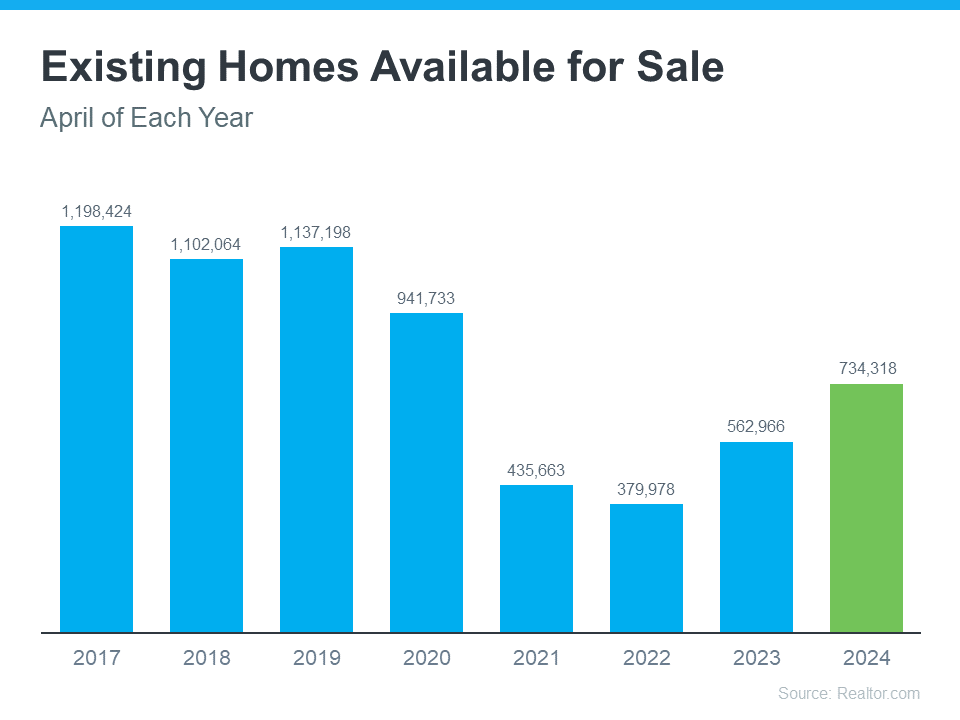
There are more homes up for grabs this year. The graph below uses the latest data from Realtor.com to show in April 2024 there were more homes for sale than there were over the last few years (2021-2023):
As Realtor.com explains:
“There were 30.4% more homes actively for sale on a typical day in April compared with the same time in 2023, marking the sixth consecutive month of annual inventory growth.”
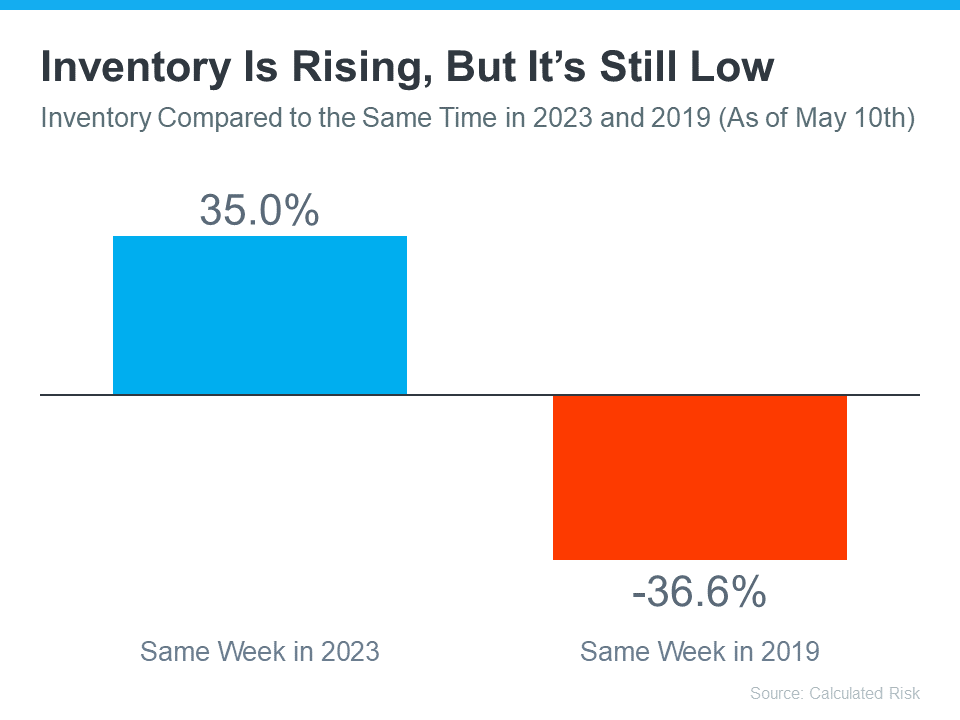
But does this growing inventory make house hunting easier? Yes and no.
Using the latest weekly data from Calculated Risk, the graph below shows, that even with the growth lately, there are still way fewer homes for sale than there were in the last normal year in the housing market:
What Does This Mean for You?
If you’ve been looking to buy but put your plans on hold because you just couldn’t find what you were searching for, you might see more options now than you did over the past few years – but don’t expect a huge selection.
To check out your growing options, it’s a good idea to work with a local real estate agent you trust. Real estate is all about location. And an agent can help you get the scoop on the homes available in the area you’re interested in. Bankrate explains:
“In today’s homebuying market, it’s more important than ever to find a real estate agent who really knows your local area — down to your specific neighborhood — and can help you successfully navigate its unique quirks.”
Bottom Line
Team up with a local real estate agent who can keep you in the loop on everything that might impact your move, like how many homes are up for sale right now.

by Laura Guzman Cheney | Nov 13, 2025 | Home Prices
Understanding the value of your home is crucial, whether you’re buying, selling, refinancing, or just tracking your investment. While online estimates or neighborhood comparisons can provide a rough idea, knowing your home’s true market value is key for making informed decisions. Let’s explore why it matters and how to figure out your home’s worth.
Why Knowing Your Home’s Value Matters
1. Set the Right Price When Selling
Pricing your home correctly is critical when selling. If it’s too high, buyers may be turned off; too low, and you might lose money. Knowing your home’s value ensures you set a competitive and fair price.
2. Refinancing Your Mortgage
Lenders need an accurate appraisal of your home’s value when refinancing. Knowing your home’s worth can help you assess whether refinancing is a good option and how much equity you have.
3. Understand Home Equity
Home equity is the difference between your home’s market value and your mortgage balance. Understanding your home’s value helps you know how much equity you’ve built, which can be useful for home equity loans or lines of credit.
4. Property Tax Assessments
Property taxes are based on your home’s assessed value. Knowing your home’s true market value helps you contest overvalued tax assessments and potentially lower your taxes.
5. Insurance Needs
Accurate knowledge of your home’s value ensures you have the right amount of homeowners insurance. Over or under-insuring can lead to higher premiums or insufficient coverage.
How to Determine Your Home’s Value
There are several ways to determine your home’s worth:
1. Online Estimators
Websites like Zillow, Redfin, and Realtor.com use algorithms to estimate your home’s value based on recent sales. While convenient, these estimates may not consider unique home features or recent updates.
2. Comparative Market Analysis (CMA)
A CMA from a local real estate agent compares your home to similar properties that recently sold. This provides a more accurate estimate, considering local market conditions.
3. Professional Appraisal
A professional appraiser evaluates your home’s condition, location, and market factors to provide an accurate valuation. This is the most reliable option, often required for refinancing or loans.
4. Agent’s Opinion
Real estate agents can provide an estimate based on their local knowledge and experience. Many agents offer free home evaluations, especially if you’re thinking of selling.
Key Factors That Affect Home Value
- Location: Proximity to schools, transportation, and amenities boosts value.
- Size and Layout: Larger homes or homes with more functional space are typically valued higher.
- Condition and Age: Well-maintained, updated homes tend to be worth more.
- Market Conditions: A seller’s market typically drives up home prices, while a buyer’s market may lower them.
- Upgrades: Renovations, like updated kitchens or energy-efficient appliances, can increase home value.
How to Maximize Your Home’s Value
- Renovate key areas, such as kitchens or bathrooms.
- Boost curb appeal with landscaping or exterior repairs.
- Add square footage by finishing basements or attics.
- Update systems like HVAC or plumbing.
Conclusion
Knowing your home’s value is essential for making sound financial decisions, whether you’re selling, refinancing, or simply managing your property. By using online tools, getting a Comparative Market Analysis, or hiring a professional appraiser, you can accurately determine your home’s value.
Ready to discover how much your home is worth? Start with an online estimator or consult a local real estate agent today!

by Laura Guzman Cheney | Nov 10, 2025 | Investments, New Construction
Securing financing for an investment property is a crucial step in real estate investing. Understanding your options and preparing effectively can help you obtain the necessary funding for your investment. This guide walks you through key strategies to help you navigate the financing process and set yourself up for success.
1. Know Your Financing Options
When it comes to funding your investment property, there are several options to choose from. Each type of financing has its pros and cons, depending on your specific needs:
- Traditional Mortgages: Requires a down payment of 20%-25% for residential properties. These loans offer fixed or adjustable rates.
- FHA Loans for Multi-Family Properties: With as little as 3.5% down, FHA loans are a good option for multi-family properties (1-4 units).
- Hard Money Loans: Short-term loans with high-interest rates from private lenders, commonly used for fixer-uppers.
- Commercial Loans: Typically used for larger properties such as office buildings or multi-family units, often requiring a higher down payment.
- Private Lenders: Loans with flexible terms from individuals or investment groups, though these may come with higher rates.
- Home Equity Loans/HELOC: Use the equity in your home to fund your investment property purchase.
2. Improve Your Credit Score
A good credit score can significantly increase your chances of securing favorable financing. Aim for a credit score of at least 620, but a score of 740 or higher will help you secure the best interest rates. To boost your credit score:
- Pay off outstanding debt
- Keep credit card balances low
- Regularly check for errors on your credit report
3. Save for a Larger Down Payment
Investment properties typically require larger down payments, ranging from 15% to 25%. The larger your down payment, the better your loan terms are likely to be. If you’re interested in multi-family properties, you may qualify for an FHA loan with only 3.5% down if you live in one of the units.
4. Prepare a Comprehensive Business Plan
Lenders want to ensure your investment will generate sufficient income. Your business plan should include:
- Property Details: Information about the location, price, and type of property.
- Rental Income Projections: Expected income, including any operating expenses.
- Market Research: Insights into local trends and the property’s potential for appreciation.
- Exit Strategy: Plans for selling or refinancing the property in the future.
5. Shop Around for the Best Financing Deal
Not all lenders are the same, so it’s essential to compare offers from various banks, credit unions, and private lenders. When evaluating your options, consider:
- Interest rates
- Down payment requirements
- Loan terms and closing costs
By shopping around, you can find the best financing option that aligns with your investment goals.
6. Account for Additional Costs
In addition to your down payment, be prepared for other costs associated with purchasing an investment property, such as:
- Closing costs
- Appraisals and inspections
- Property taxes and insurance
Planning for these expenses will help you avoid surprises during the purchasing process.
7. Consider Partnering with Other Investors
If you don’t have enough capital to invest alone, consider partnering with other investors. Pooling resources can help you acquire larger properties and share risks. If you decide to partner up, make sure to clearly define roles, ownership percentages, and profit-sharing arrangements.
Conclusion: Start Building Your Real Estate Portfolio with Confidence
Securing financing for an investment property may seem complex, but with the right approach, you can position yourself for success. By understanding your financing options, improving your credit score, saving for a larger down payment, preparing a business plan, and exploring various lending options, you can confidently move forward in your real estate investing journey.